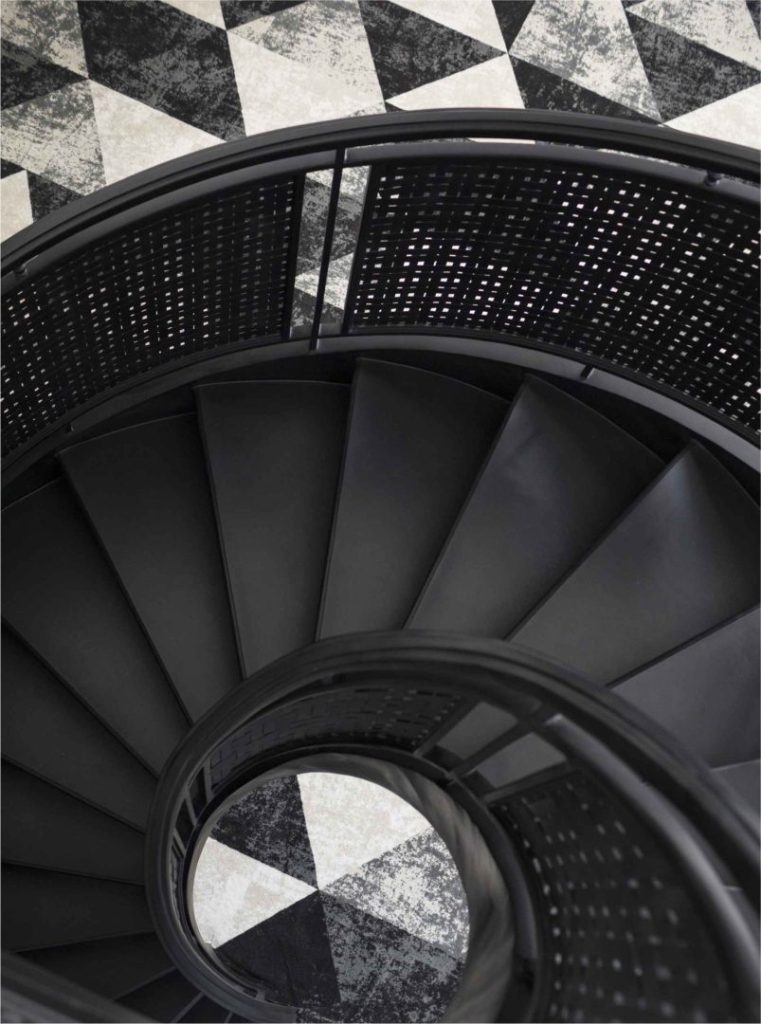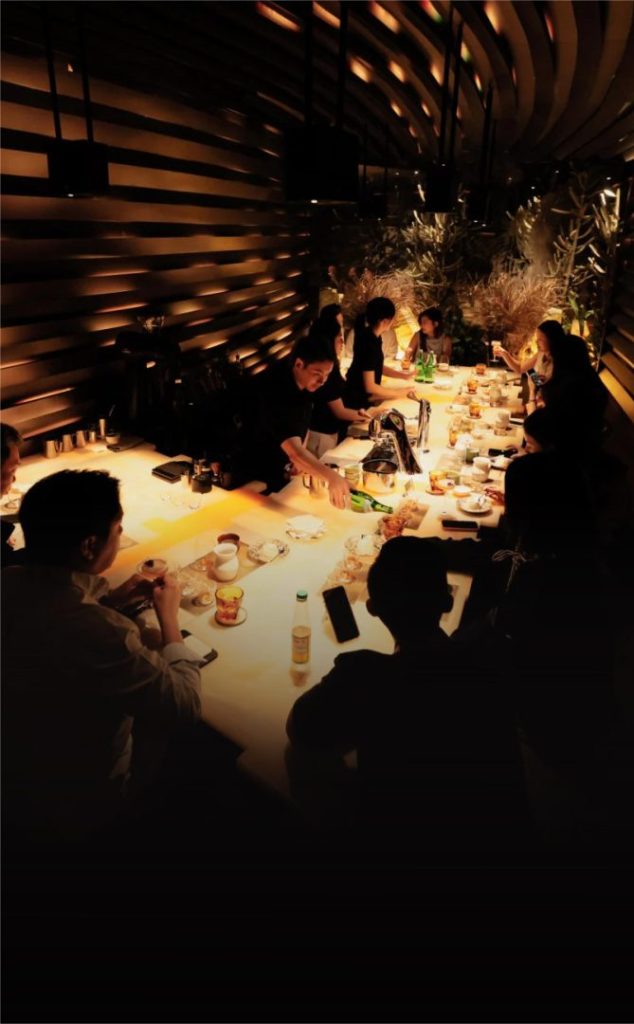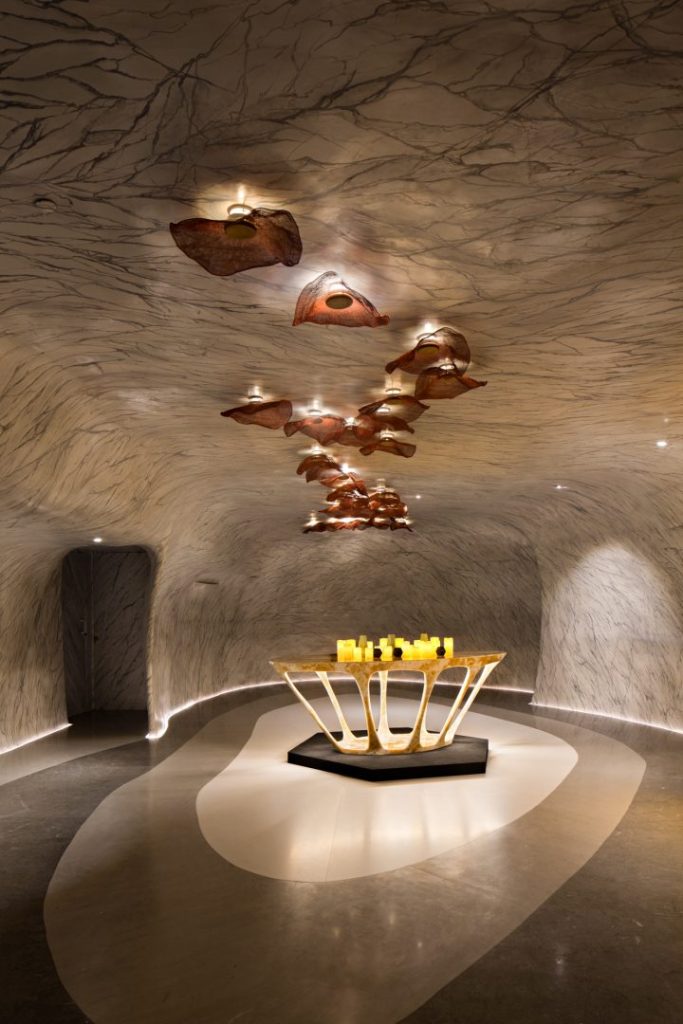




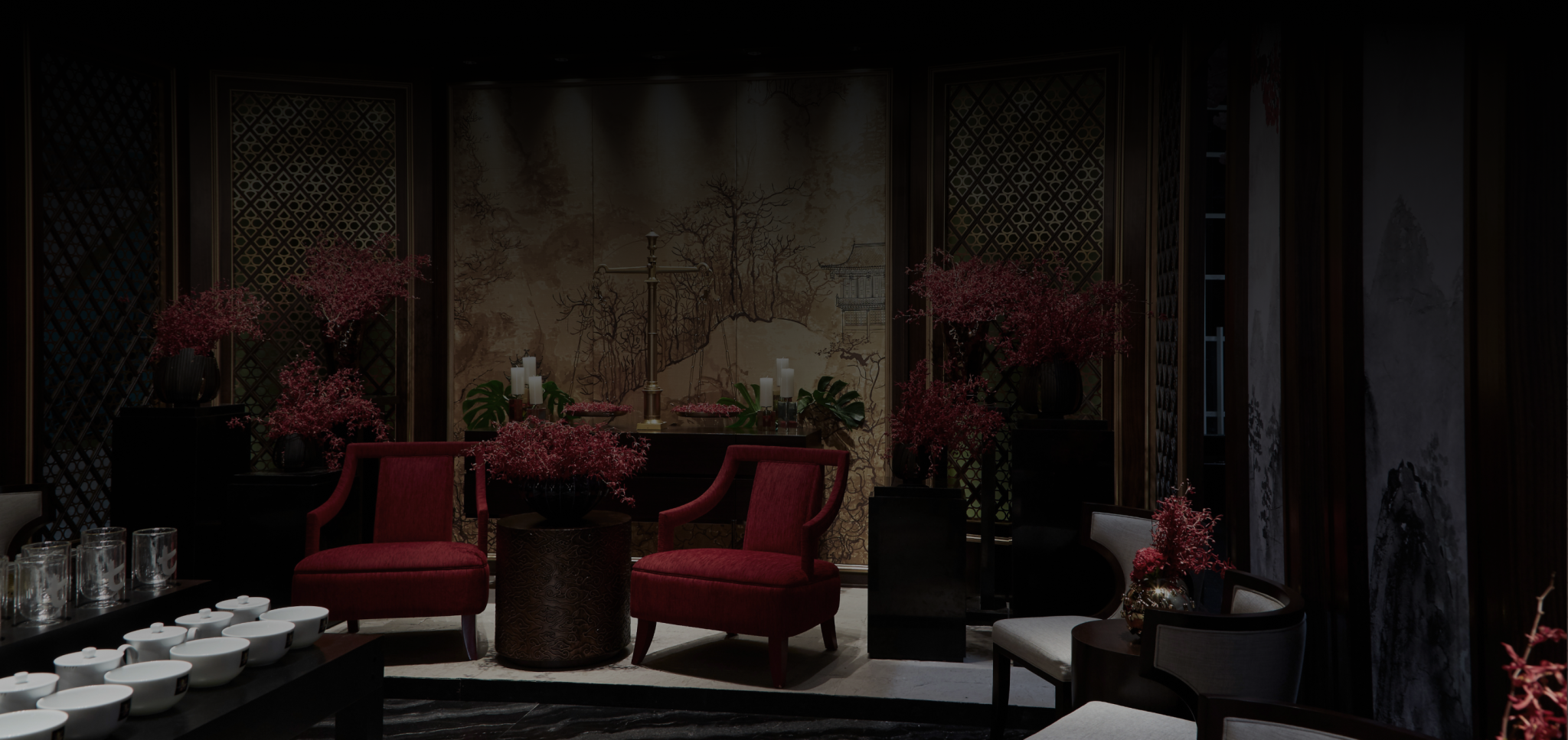
Light shaping depth, mood, and the way space is felt.
Light is often perceived as a functional necessity—something that enables visibility and defines form. Yet within certain spatial contexts, it moves beyond this role, becoming a quiet yet powerful medium that shapes how a space is experienced rather than simply seen.
At Jakarta Design Week, Presence in Light explores this shift. Light is not treated as a finishing layer, but as an integral part of the spatial composition itself. It is embedded within the environment—guiding movement, softening edges, and creating a sense of continuity that unfolds gradually.
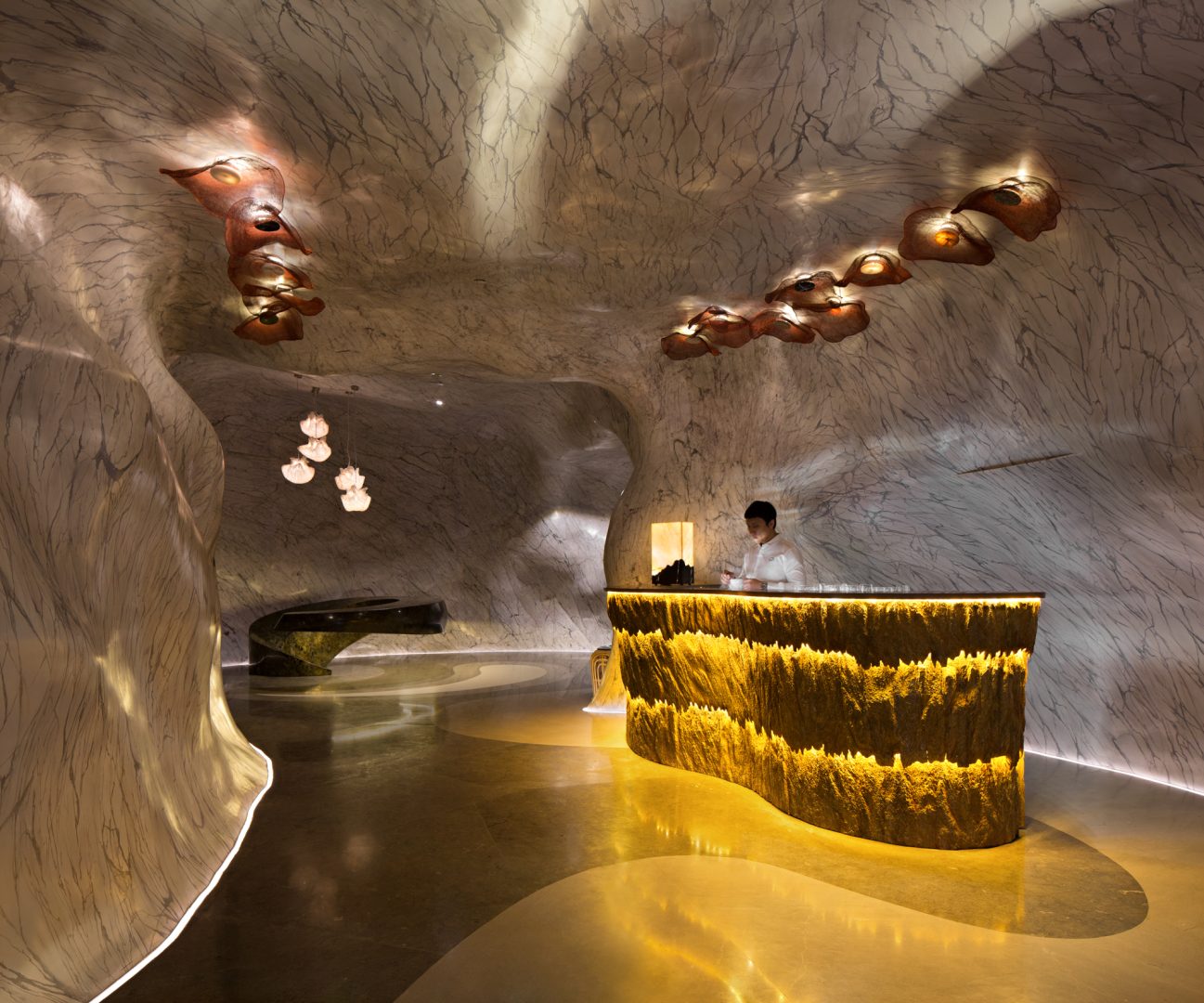
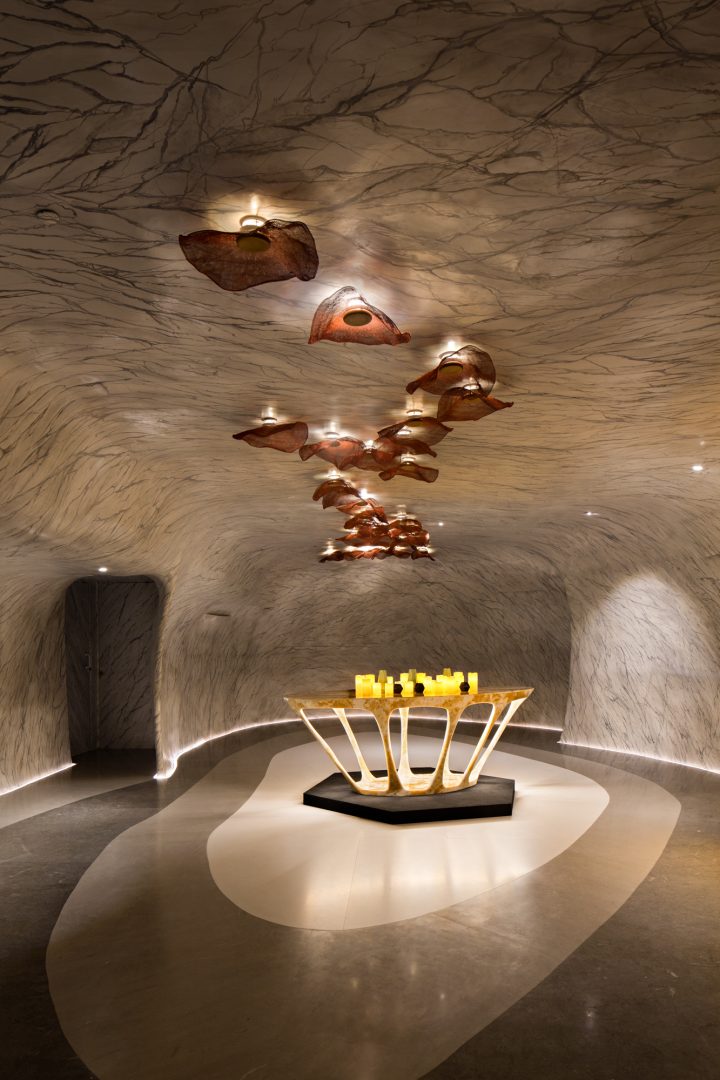
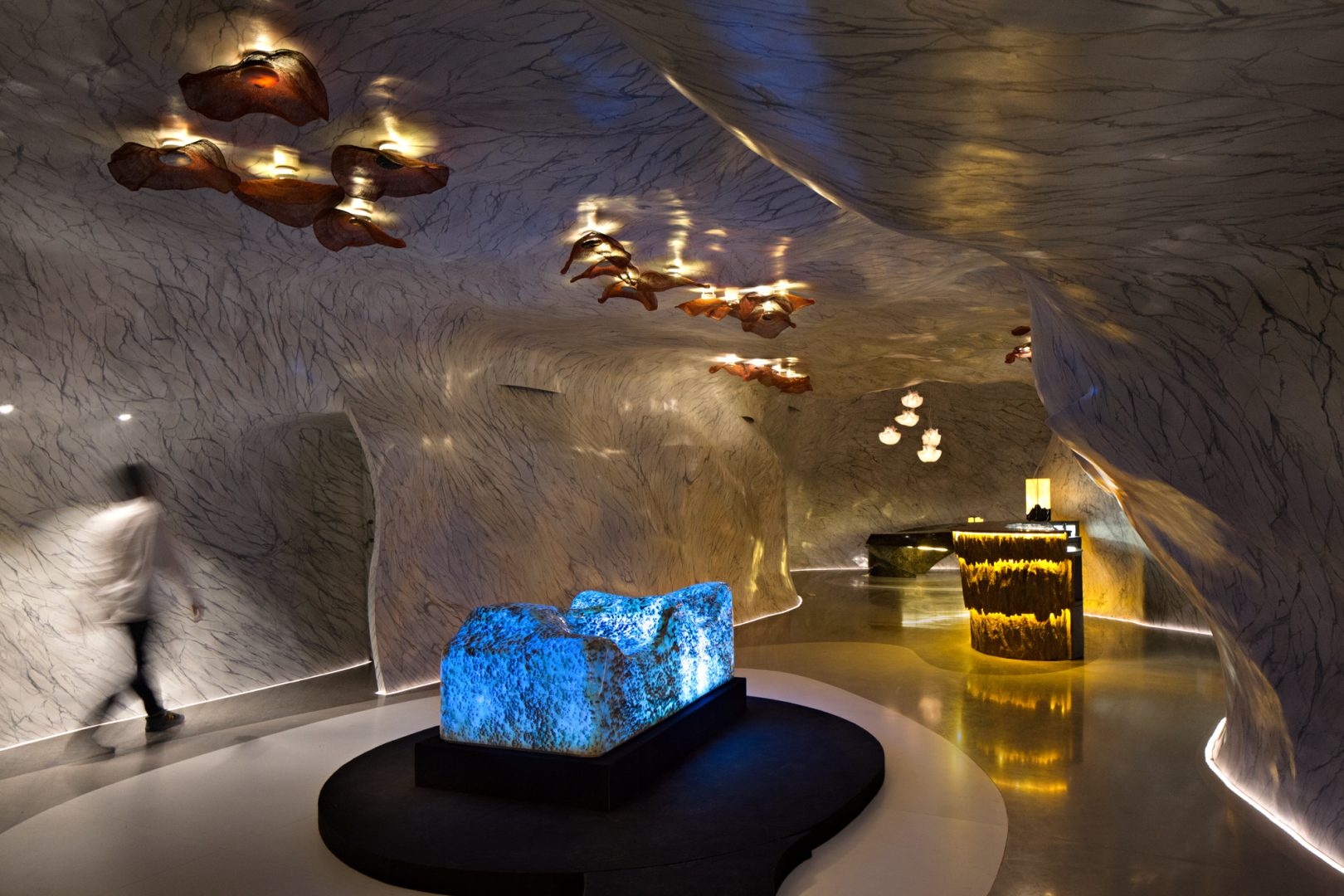
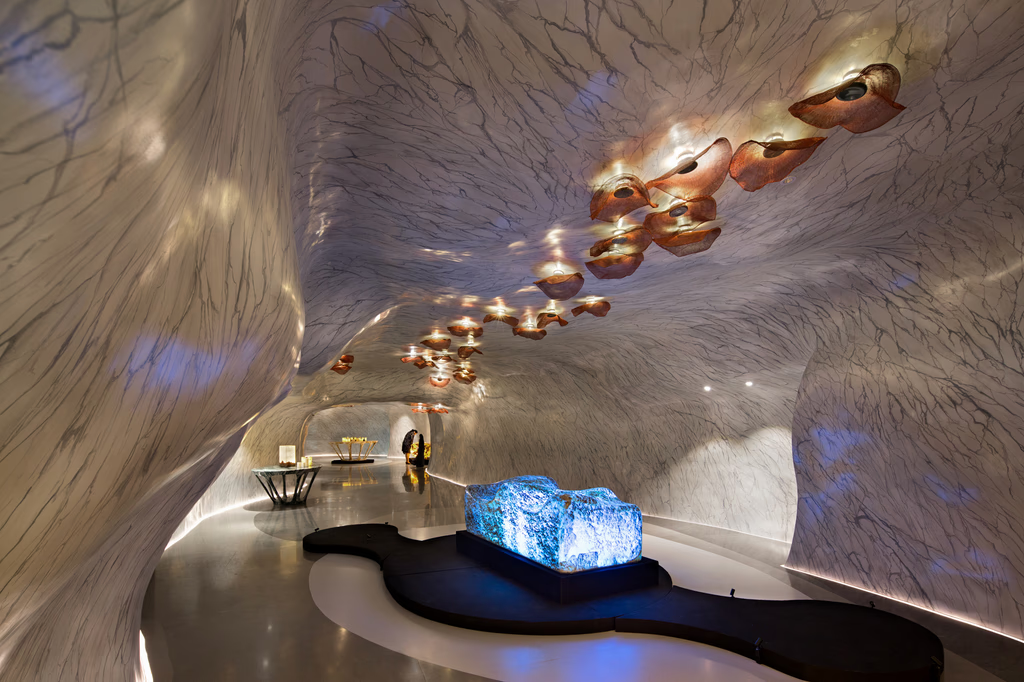
The installation is composed as a sequence of moments rather than a single focal point. As one moves through the space, light interacts with surfaces in subtle and evolving ways. Reflections emerge, shadows deepen, and textures become more pronounced—revealing a dynamic relationship between illumination and material.
These transitions are intentionally restrained. Nothing feels abrupt or overly staged. Instead, the experience invites a slower rhythm—encouraging visitors to pause, observe, and become more aware of the atmosphere surrounding them.
Material selection plays a critical role in this dialogue. Reflective surfaces, translucent volumes, and textured finishes are carefully orchestrated to respond to light with sensitivity. Each element is chosen not only for its visual quality, but for how it receives, diffuses, and transforms illumination.
“Light is not only to reveal a space, but to shape how it is felt.”
Within this framework, space is no longer defined solely by its physical boundaries, but by the interplay of light and material over time. The result is an environment that feels fluid—where perception shifts gently, and experience becomes layered.
Presence in Light ultimately proposes a quieter way of engaging with space. One that prioritizes presence over spectacle, and subtlety over statement—allowing light to become not just a tool, but a language of atmosphere.