



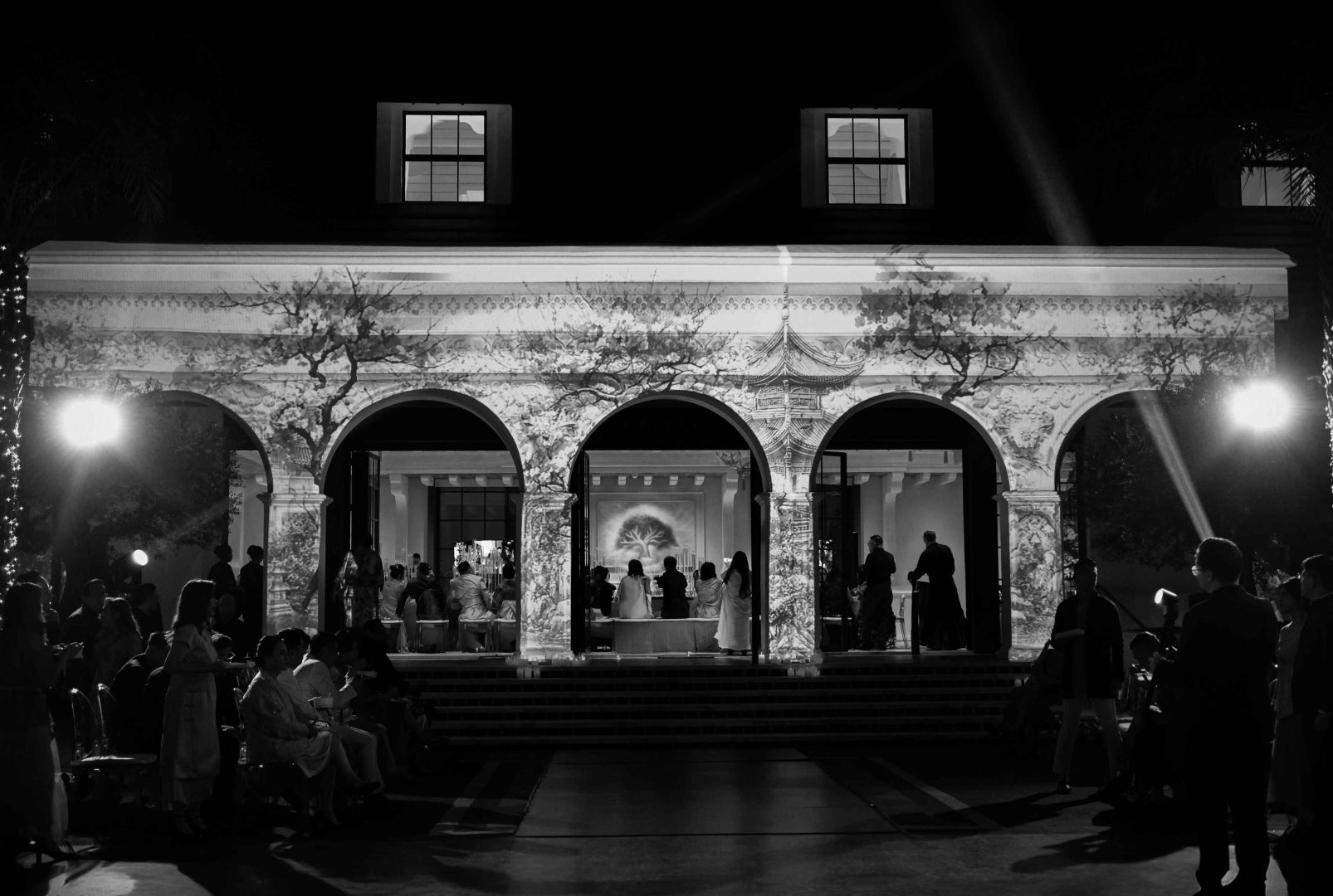
A contemporary event estate shaped by Mediterranean influences, tropical landscapes, natural materials, and spaces for gathering.

Shefa of Tabgha is conceived as a house of gathering and contemplation. Rather than recreating a church literally, the architecture reinterprets biblical narratives through space, rhythm, and material.

C H I M E S
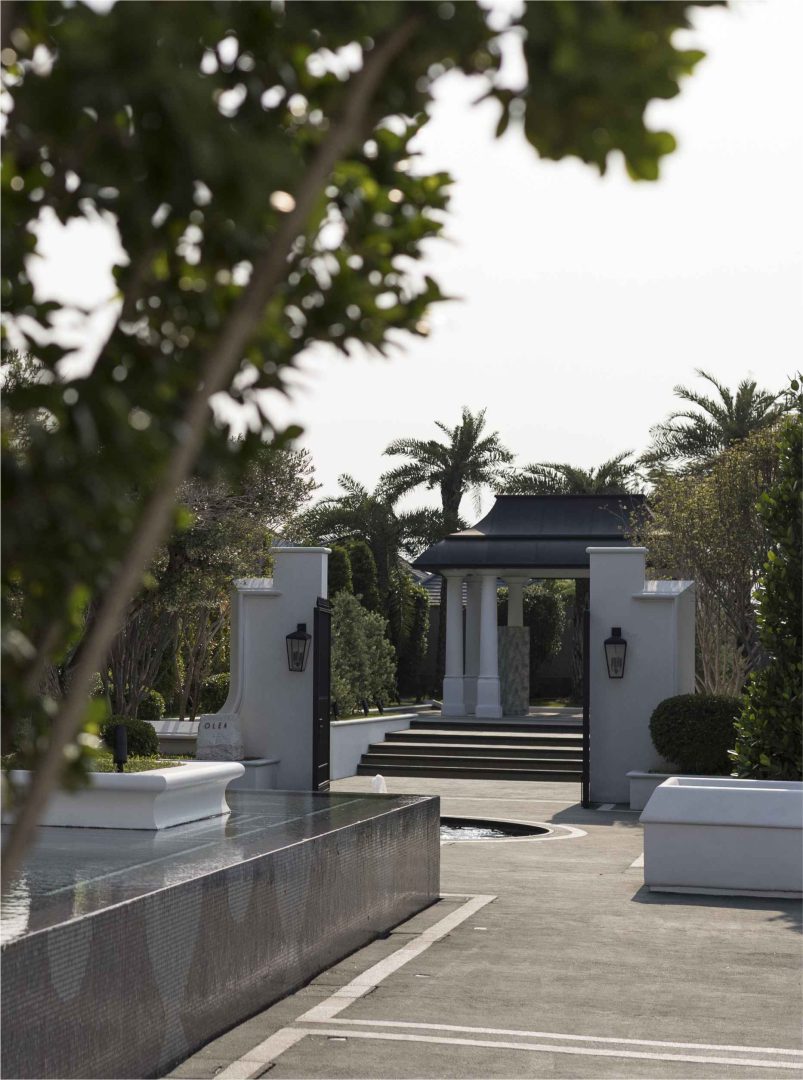
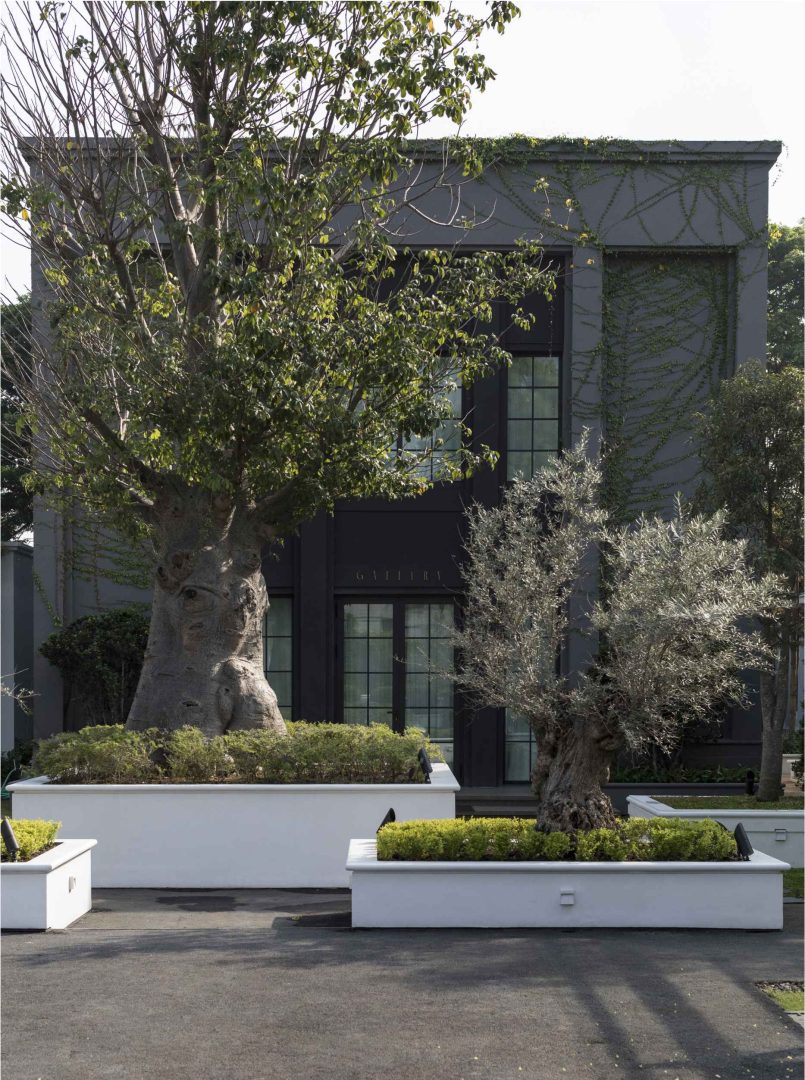
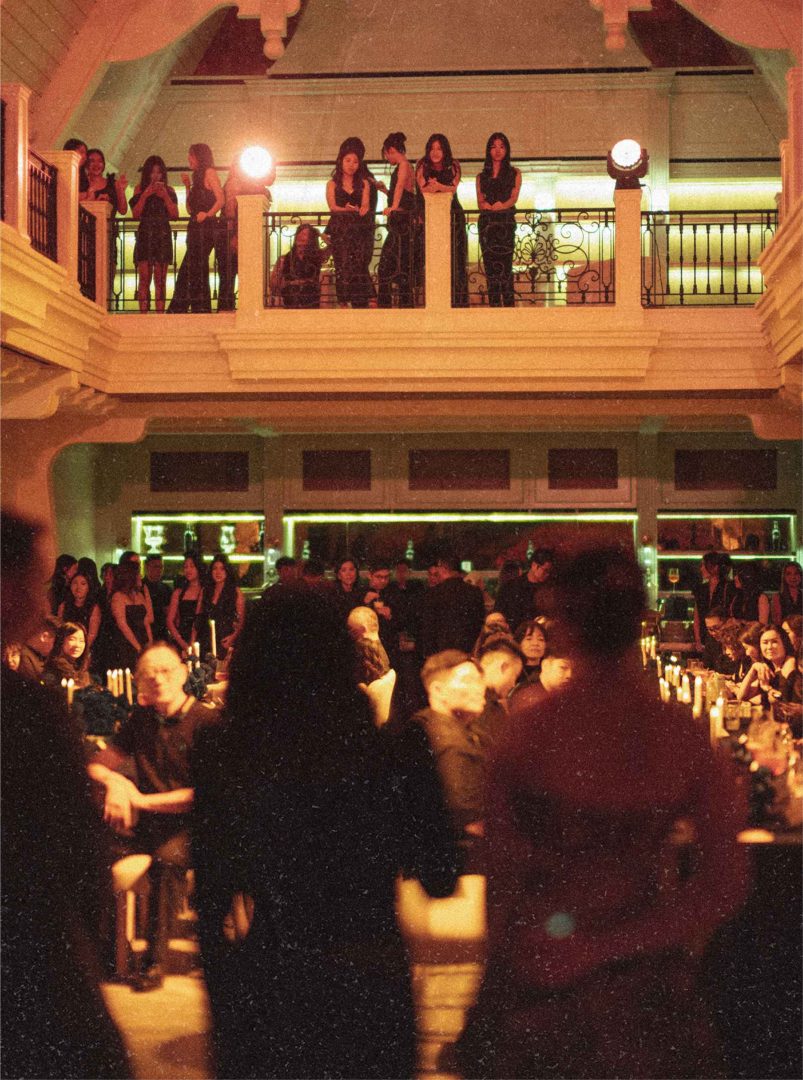
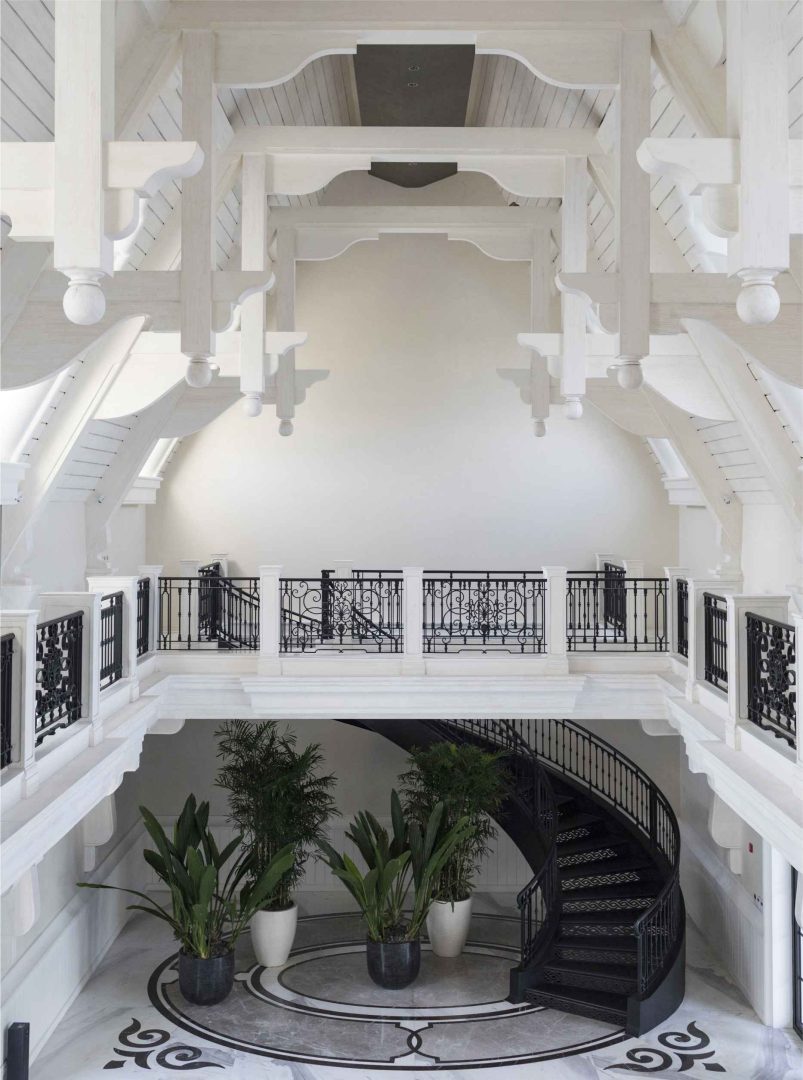
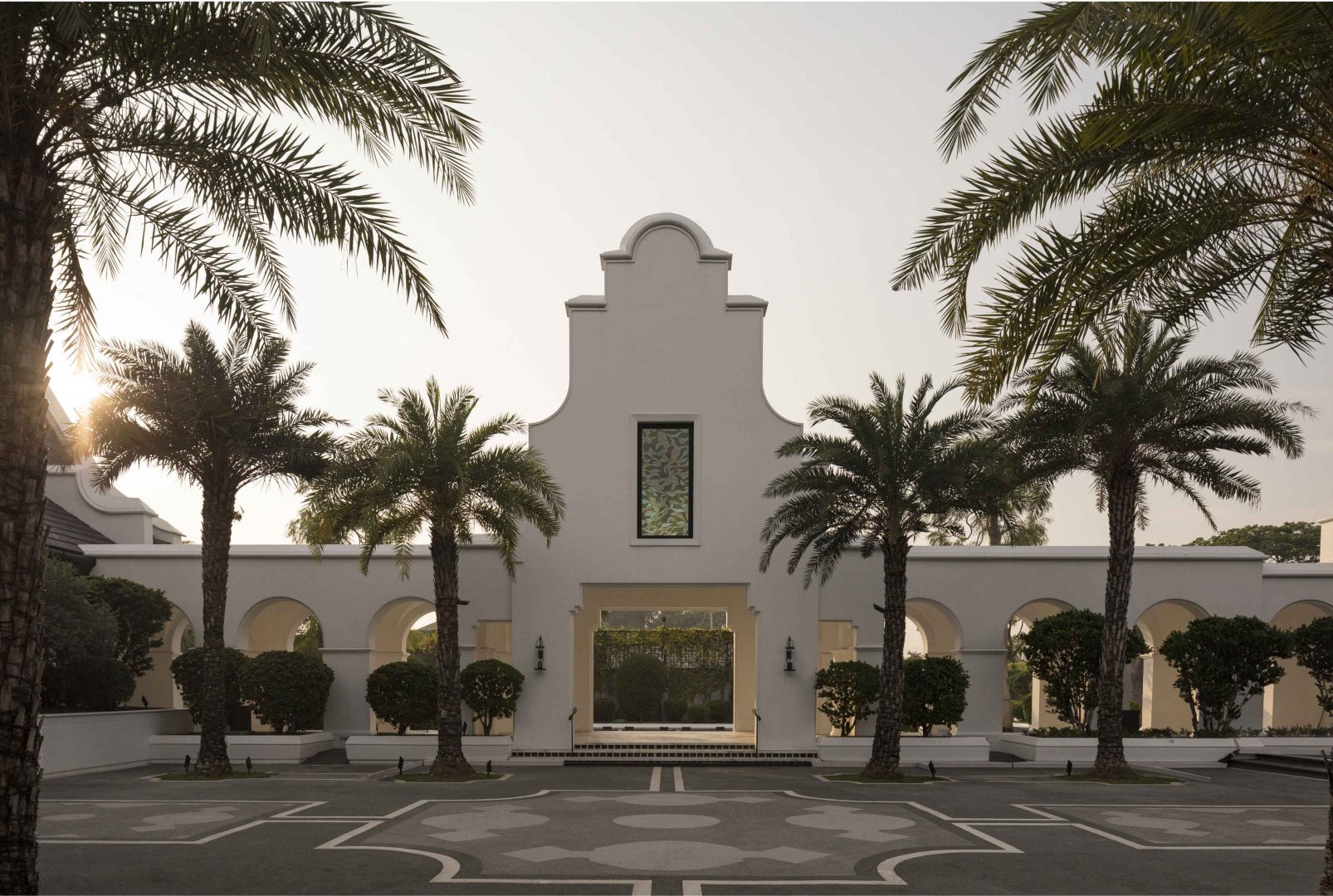
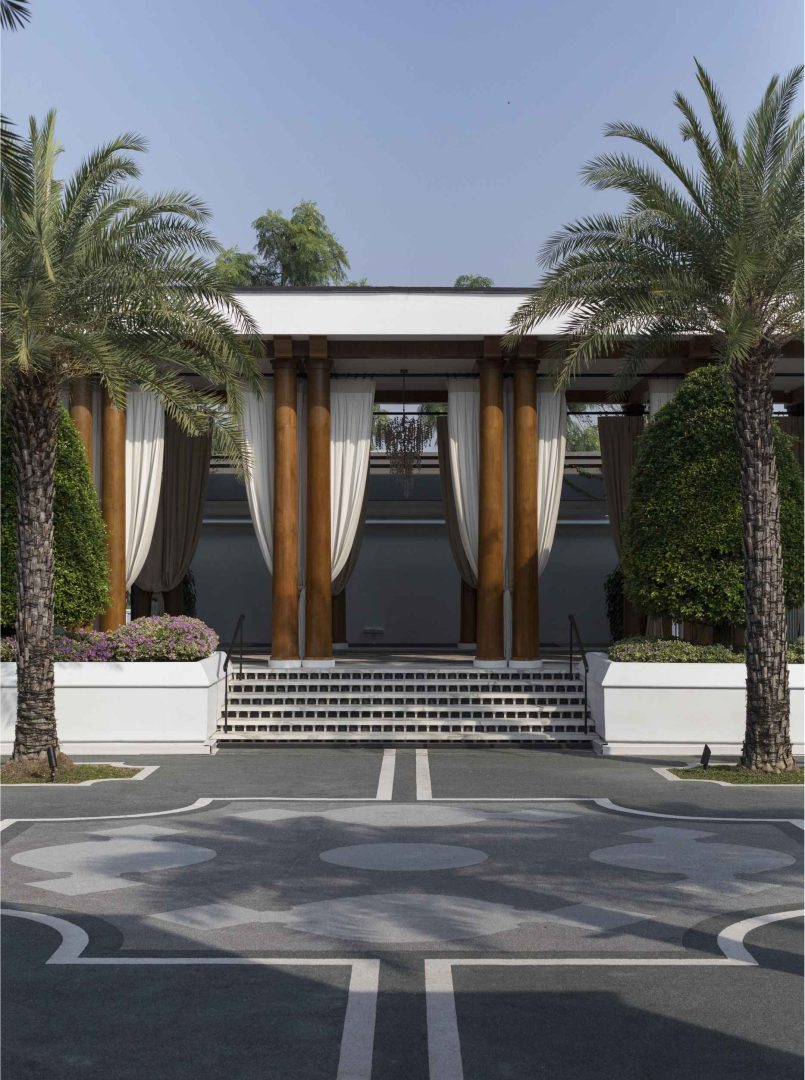
The experience of Shefa unfolds as a slow journey. Passing through the vine-covered entrance, visitors enter a sequence of spaces framed by arches, gardens, and water. At the center stands a suspended bell above a circular reflecting pool — a subtle reference to the gathering rituals of monasteries and village churches. Inside, the main hall is anchored by a long communal table beneath a high pitched roof. Warm timber beams soften the space, while natural light enters gently through clerestory openings.

T I L A F I A
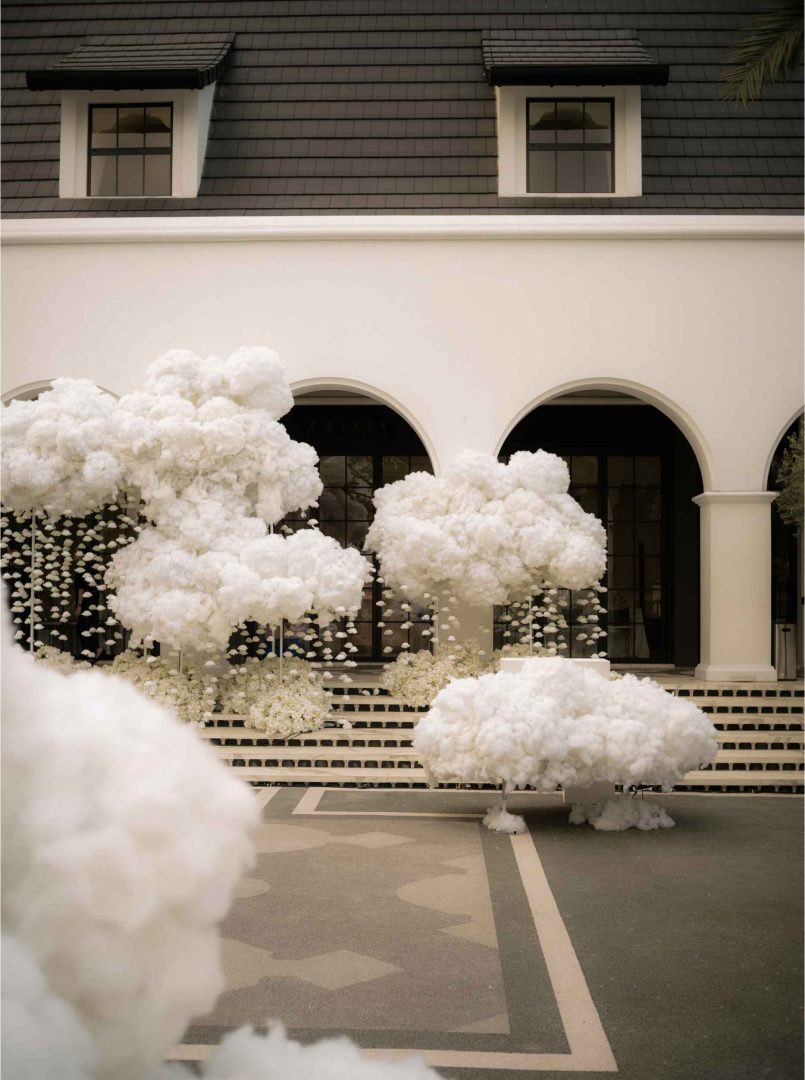
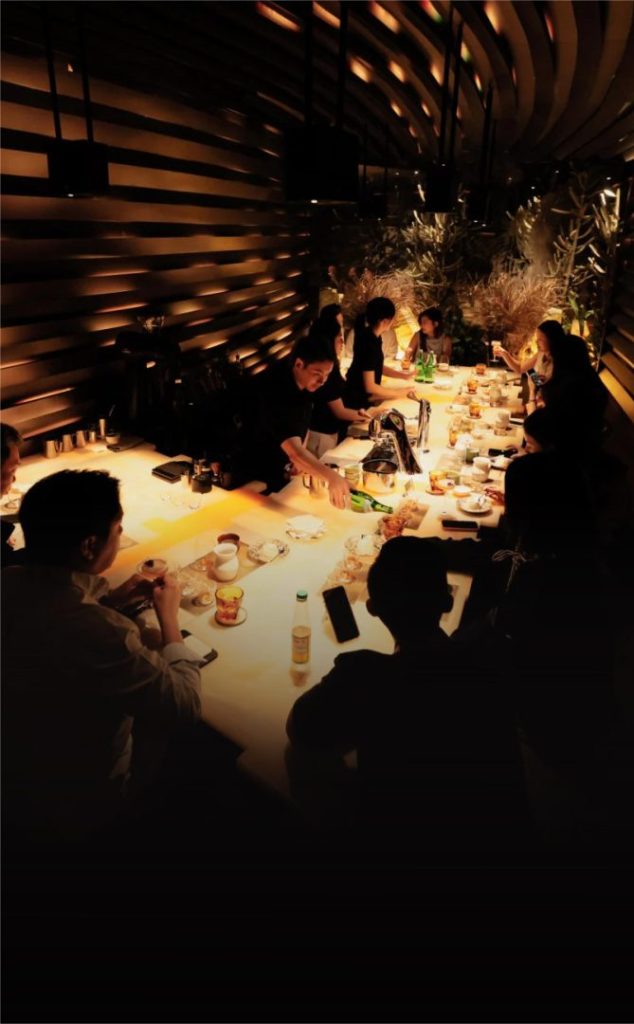
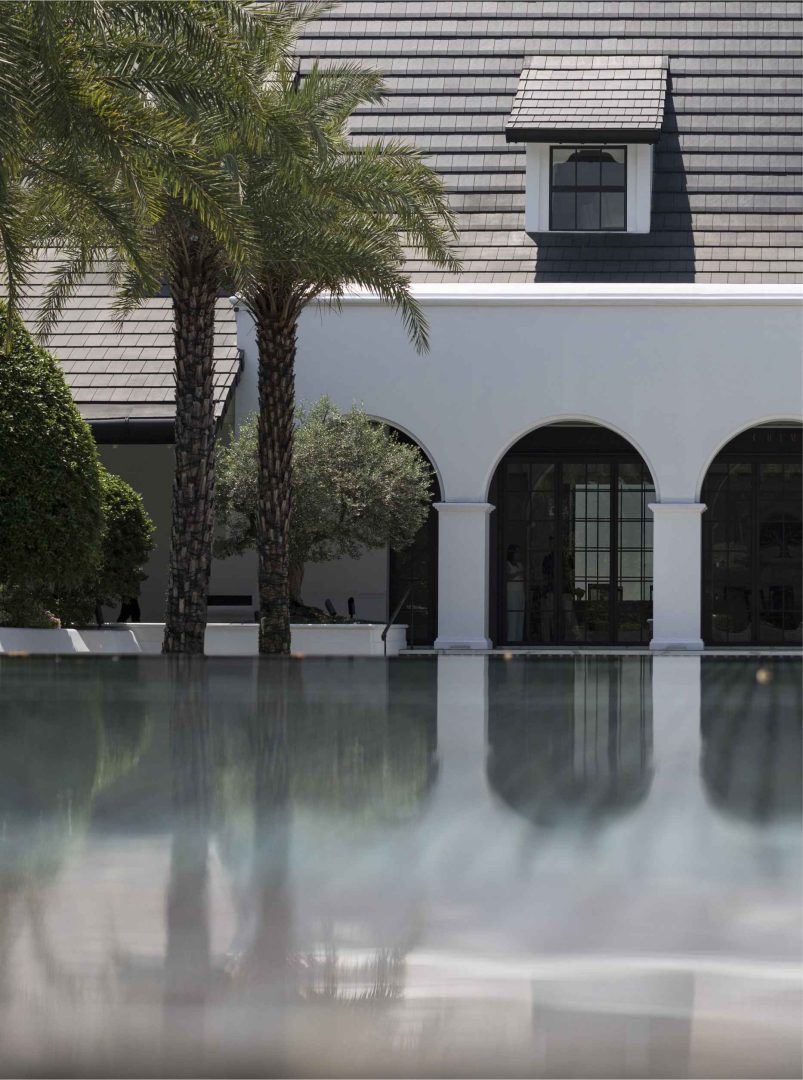
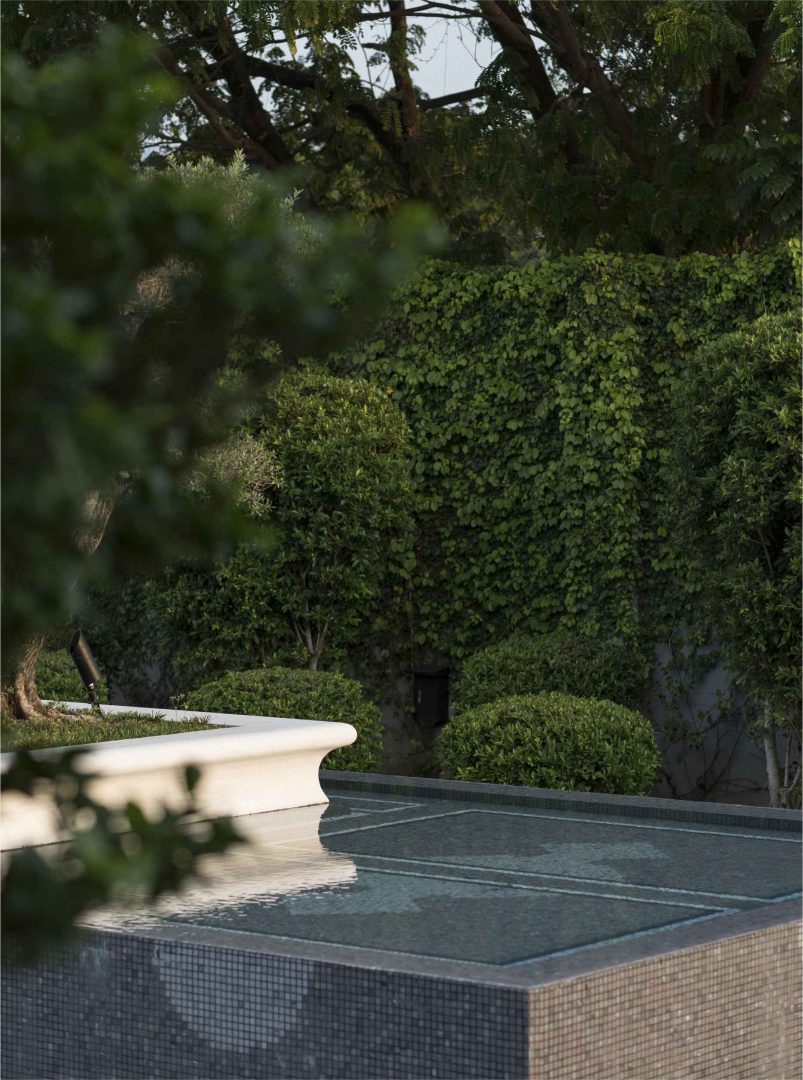
Abundance is the central idea behind Shefa of Tabgha. Not abundance as extravagance, but as generosity — of space, light, nature, and hospitality. The rhythm of arches and courtyards references the miracle of the loaves and fishes, while water features throughout the estate recall the story of Cana. At the heart of the estate, a long dining table becomes a symbol of togetherness. Here, meals, conversations, and celebrations unfold naturally.

O L E A
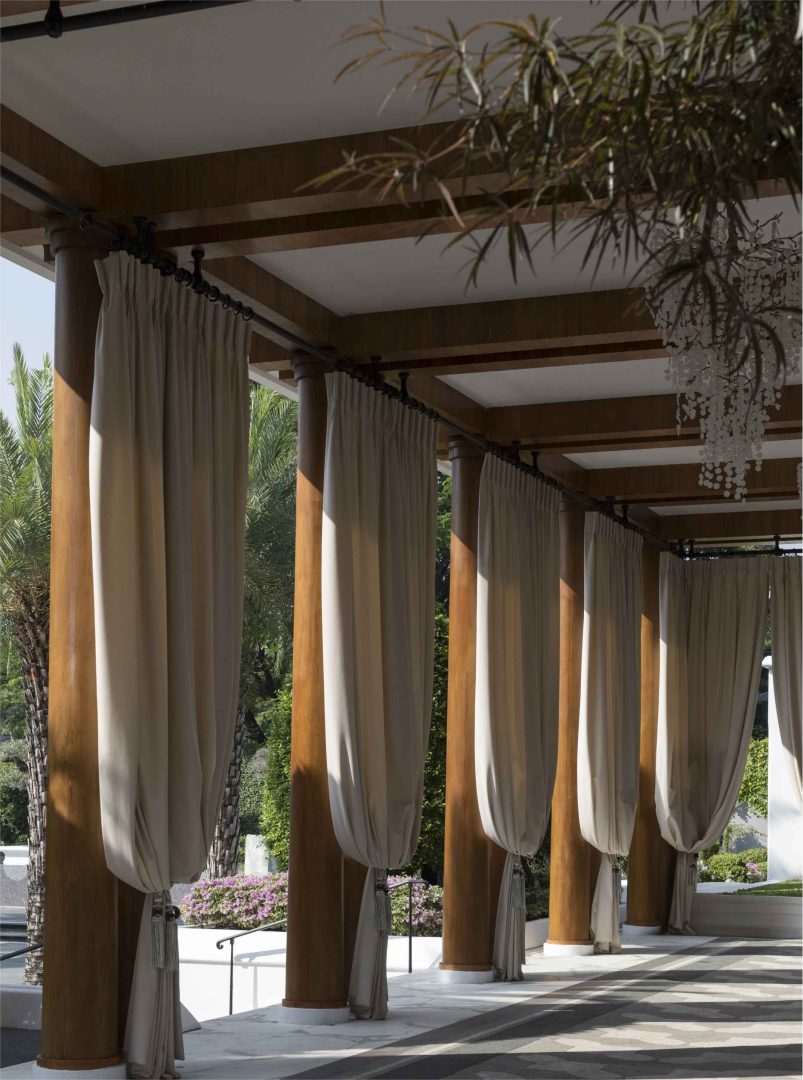
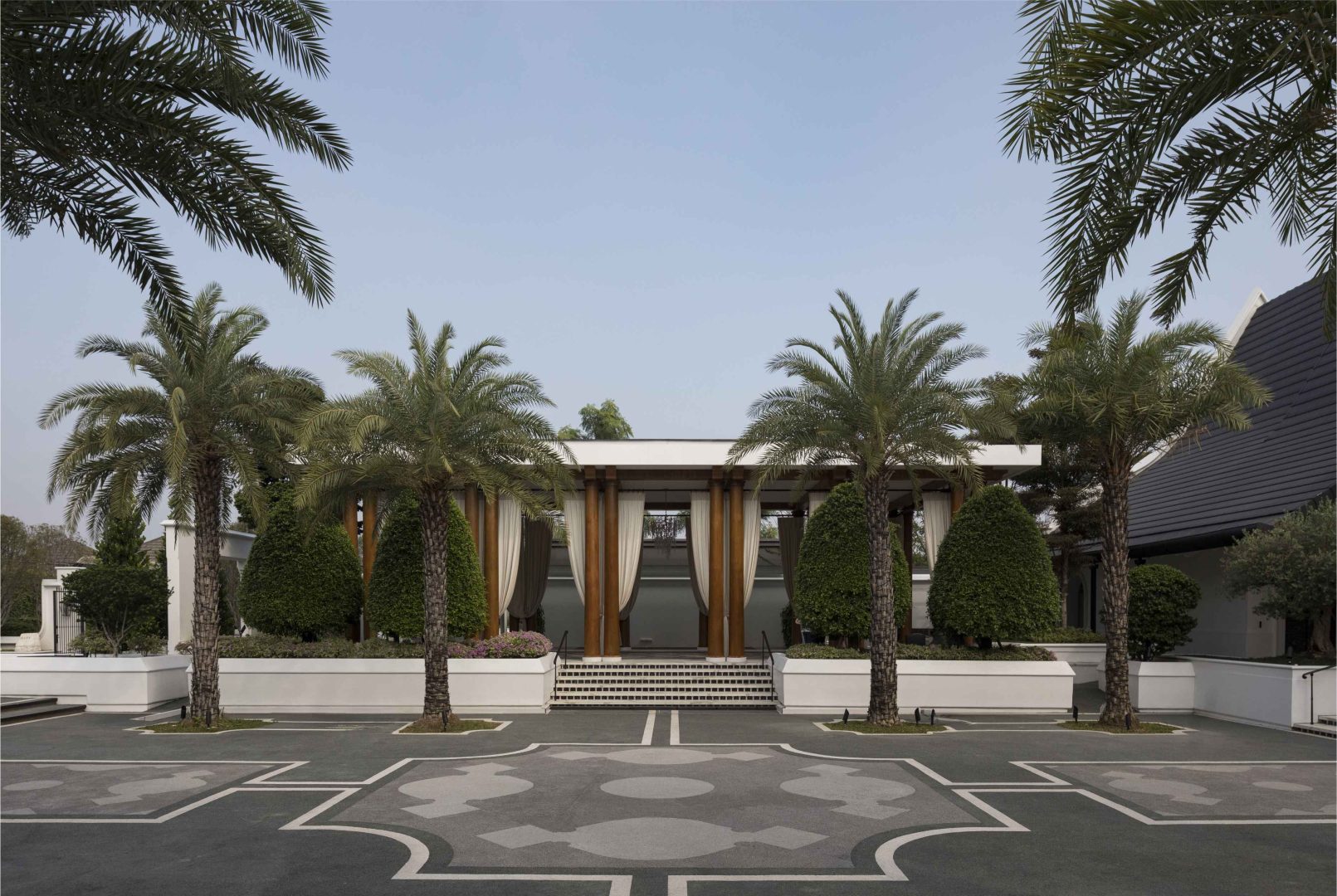
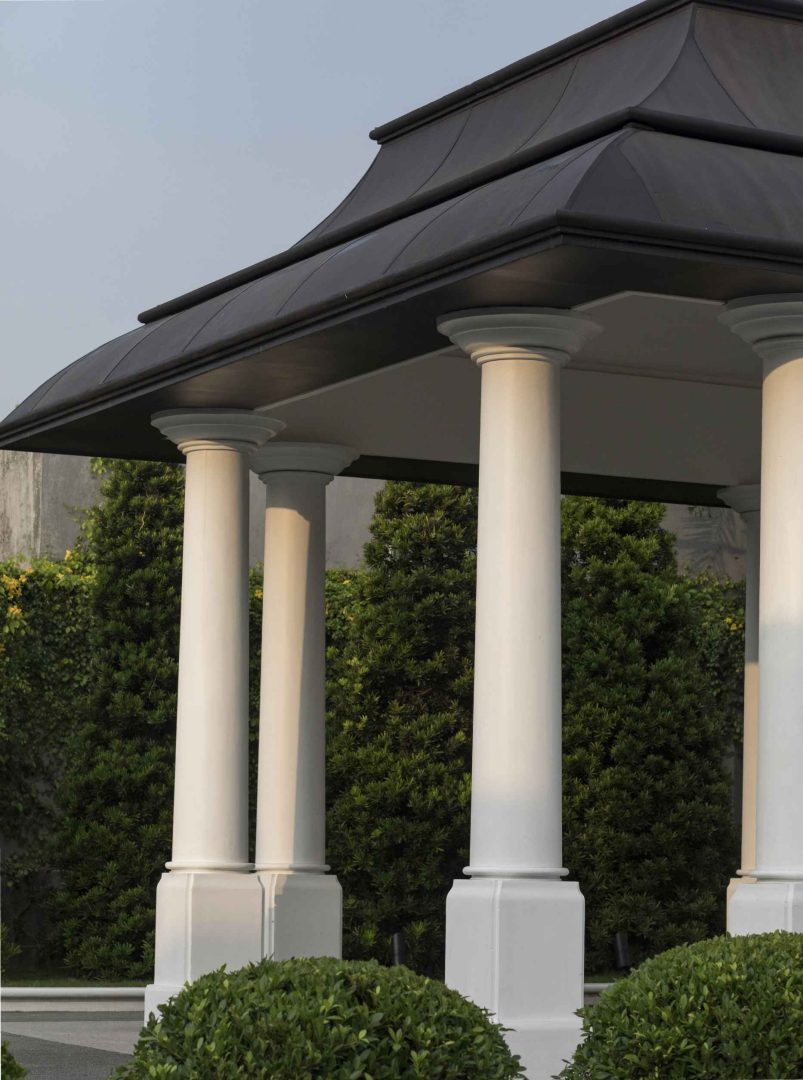
Olive trees line the gardens of Shefa, recalling the groves of Gethsemane. Across Mediterranean culture, the olive branch has long symbolized peace, endurance, and renewal. The landscape is designed not only as ornament, but as part of the estate’s spiritual atmosphere. Herbs, flowering plants, palms, and shaded pergolas create layers of texture and fragrance throughout the courtyards.
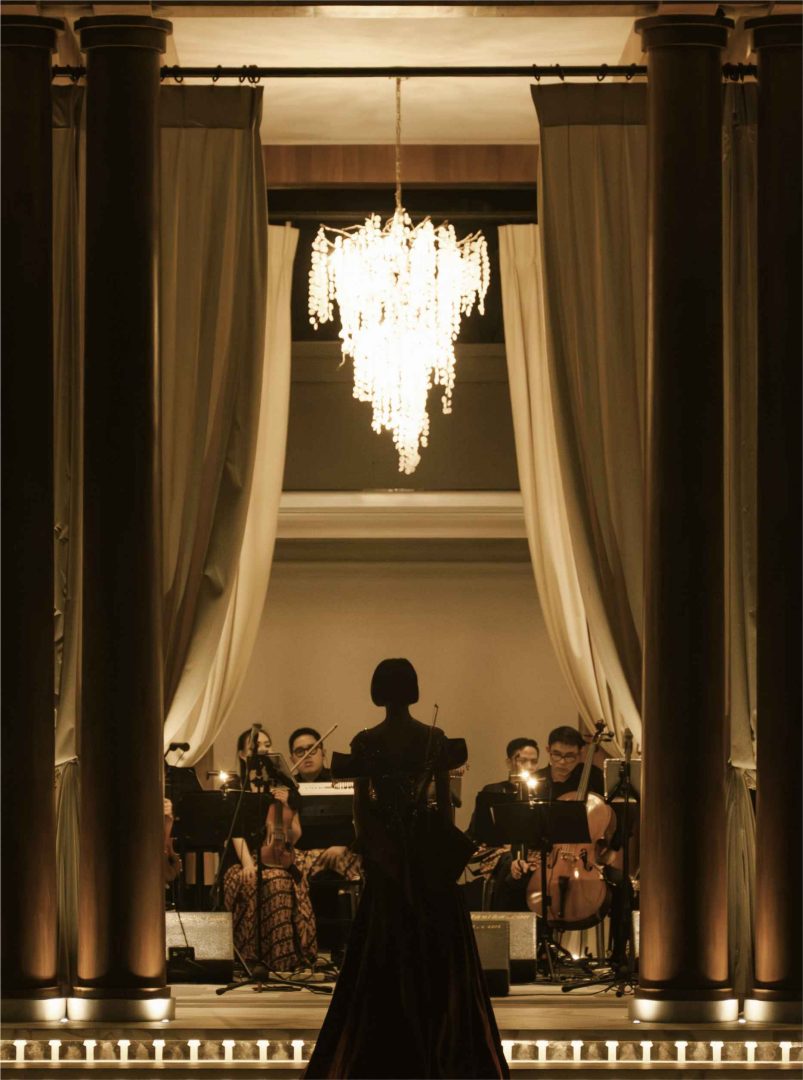
At the end of the evening, the estate becomes quiet once again. The pools reflect the night sky, olive leaves move gently in the breeze, and the bell rests in silence. Estate 89 brings together architecture, landscape, and interiors through a language of arches, natural materials, water, and light. It reflects BK Studio’s approach to creating spaces rooted in narrative, context, and everyday living.